The Benefit of Fermented Foods
Fermented vegetables and fruits have been nourishing cultures around the world for thousands of years. Long before refrigeration and modern food preservation methods existed, people relied on the natural process of fermentation to preserve harvests and provide nutrient-dense foods year-round.
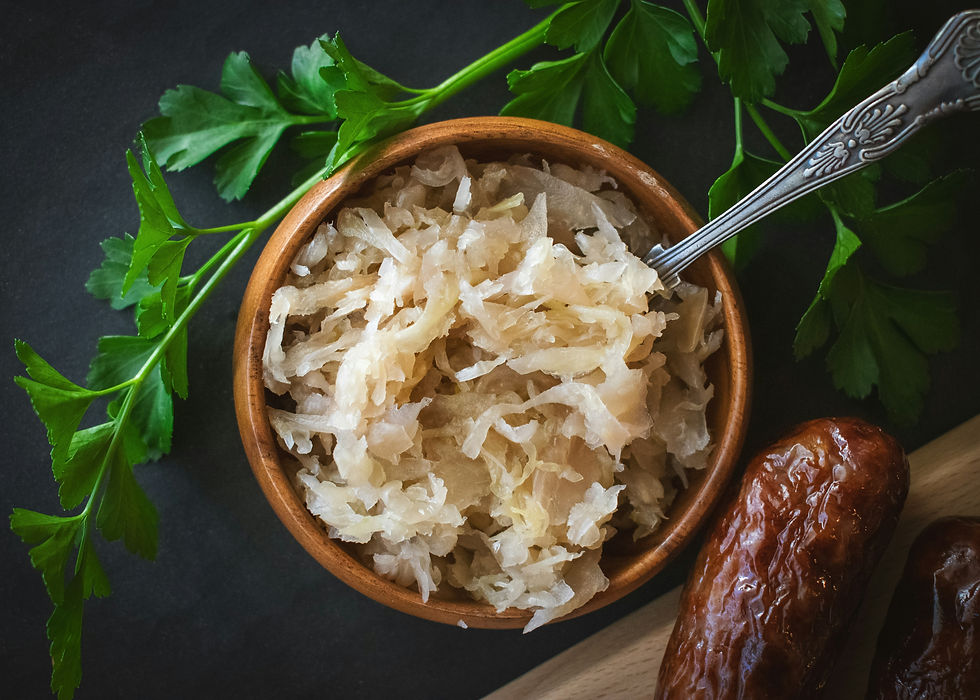
Today, fermentation is making a comeback as more people discover the connection between gut health, digestion, immunity, and overall wellness. While fermented foods have traditionally been valued for their ability to preserve food, their benefits go far beyond simply extending shelf life.
What is Lacto-Fermentation?
"Lacto-fermentation is one of nature's oldest methods of preserving food while enhancing its nutritional value."
Long before freezers, canning equipment, and preservatives, families preserved vegetables and fruits through a process known as lacto-fermentation. During this process, naturally occurring beneficial bacteria called lactobacilli convert the sugars found in vegetables and fruits into lactic acid.
This lactic acid creates an environment that discourages harmful bacteria while allowing beneficial organisms to flourish. The result is a food that is not only preserved but transformed into something richer in beneficial compounds than when it started.
Unlike modern preservation methods that often focus solely on preventing spoilage, fermentation creates living foods that support the body's natural processes.
The Benefits of Fermented Foods

"Fermentation doesn't simply preserve food—it transforms it."
Traditional cultures understood that fermented foods offered something special. While they may not have known the science behind it, they observed the benefits generation after generation.
The beneficial bacteria found in fermented vegetables help support a balanced microbiome. Fermentation can also increase the availability of certain nutrients, improve digestibility, and provide beneficial enzymes that support overall wellness.
The lactic acid produced during fermentation helps preserve vegetables while encouraging a healthy environment for beneficial bacteria throughout the digestive tract.
Many people find that fermented foods are easier to digest than their raw counterparts and often become a valuable addition to a wellness-focused lifestyle.

A Tradition Found Around the World
One of the most fascinating things about fermentation is that nearly every culture has practiced some form of it.
In Europe, sauerkraut became a staple food and was valued for both its taste and health benefits. Cucumbers, beets, turnips, herbs, and even grape leaves were commonly fermented.
In Eastern Europe and Russia, fermented tomatoes, peppers, and other vegetables became traditional foods passed down through generations.
Asian cultures developed their own fermentation traditions. Korean kimchi remains one of the most well-known fermented foods in the world today. Japan has long enjoyed fermented vegetables and umeboshi plums, while India traditionally ferments fruits with spices to create flavorful chutneys.
Even many traditional American relishes, including cucumber relish, corn relish, and watermelon rind relish, were originally produced through fermentation.
The fact that fermentation developed independently around the world speaks to its importance and effectiveness.
How Fermentation Works
The beauty of fermentation lies in its simplicity.
Fresh vegetables are washed, chopped, and mixed with salt and seasonings. The vegetables are then pressed to release their natural juices and packed into a container where beneficial bacteria begin their work.
The salt helps create an environment where beneficial bacteria thrive while undesirable organisms are discouraged. As fermentation progresses, lactic acid develops and naturally preserves the vegetables.
For generations, families have used simple ingredients and traditional techniques to create fermented foods in their own kitchens.
When done properly, fermentation requires very little equipment and allows anyone to participate in a tradition that has sustained human health for centuries.

Quality Matters
As with any food, the quality of ingredients matters.
Using fresh, high-quality vegetables, mineral-rich sea salt, and clean filtered water creates the best environment for successful fermentation. Beneficial bacteria require nutrients from healthy produce to flourish.
Traditional fermentation also requires patience. During the initial stages, vegetables are often kept at room temperature before being moved to a cool, dark location for longer storage.
When quality ingredients and proper techniques are used, the result is a flavorful and nutrient-rich food that can be enjoyed for months.
Not All Pickles Are the Same
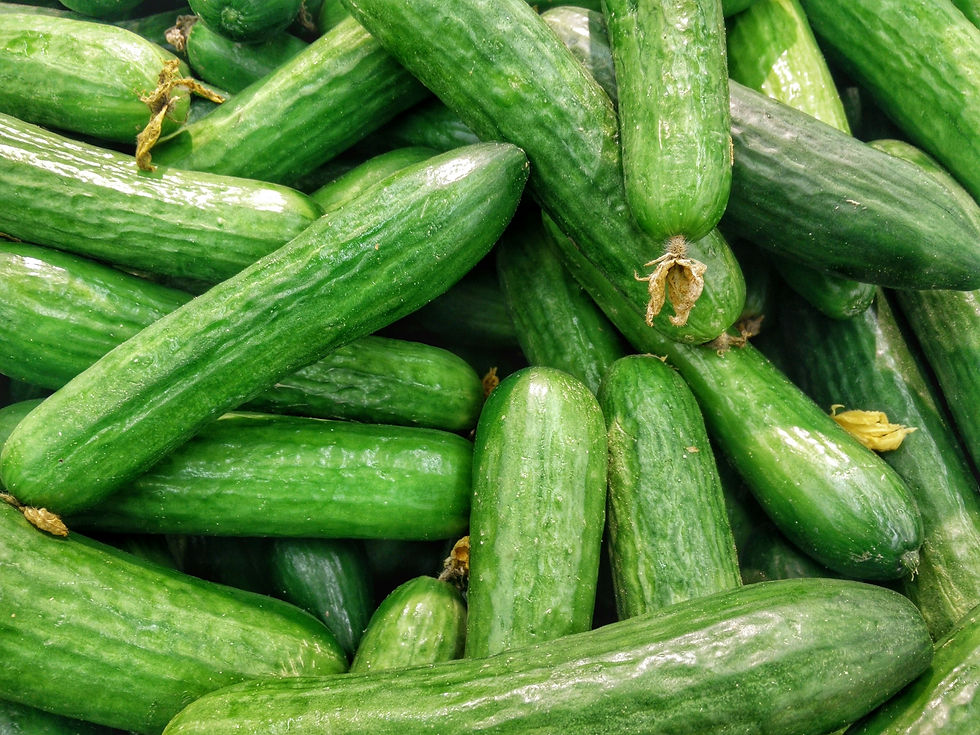
One common misconception is that all pickled vegetables are fermented.
Many commercial pickles are made using vinegar rather than traditional fermentation. While vinegar pickles can certainly be enjoyable, they do not provide the same living beneficial bacteria that naturally fermented vegetables contain.
Additionally, many commercial products are pasteurized, a process that destroys both harmful and beneficial bacteria.
Traditional lacto-fermentation preserves the living organisms that make these foods unique and beneficial.
When purchasing fermented foods, look for products that are refrigerated and labeled as naturally fermented or containing live cultures.
Bringing Fermentation Back Into the Kitchen
Fermentation is more than a food preservation technique—it is a way of reconnecting with traditional food wisdom.
Making fermented vegetables at home can be a simple and rewarding practice. It encourages slowing down, working with seasonal produce, and creating foods that nourish both the body and the family table.
Whether it's sauerkraut, kimchi, fermented carrots, pickles, or cultured vegetables, adding fermented foods to your meals is a simple way to support digestion and embrace a tradition that has stood the test of time.
Sometimes the oldest health practices are still some of the most powerful.
The Takeaway
Fermented vegetables and fruits have nourished cultures for thousands of years because they offer much more than preservation.
First, fermentation naturally preserves food while creating beneficial compounds.
Second, fermented foods support digestive health by providing beneficial bacteria and enzymes.
Third, fermentation can enhance nutrient availability and improve digestibility.
Fourth, traditional fermentation methods have been embraced by cultures all around the world because of their effectiveness.
Fifth, making fermented foods at home is simple, economical, and deeply connected to traditional wellness practices.
Lastly, adding a small serving of fermented vegetables to your daily routine may be one of the easiest ways to support your microbiome and overall health.
The journey to better health doesn't always require something new. Sometimes it begins by rediscovering the wisdom of the past.
Recipe - Sauerkraut -
Ingredients
1 medium cabbage, cored and shredded
1 tablespoon caraway seeds
1 tablespoon sea salt
4 tablespoons whey, drained from yogurt through cheesecloth or a coffee filter
Instructions
In a bowl, mix cabbage with caraway seeds, sea salt and whey. Pound with a wooden pounder or a meat hammer for about 10 minutes to release juices. Place in a quart-sized, wide-mouth mason jar and press down firmly with a pounder or meat hammer until juices come to the top of the cabbage. The top of the cabbage should be at least 1 inch below the top of the jar. Cover tightly and keep at room temperature for about 3 days before transferring to cold storage. The sauerkraut may be eaten immediately, but it improves with age.
*Recipe by Sally Fallon with Mary G. Enig - Nourishing Traditions.
*This email may contain affiliate links, which means I earn a small commission if you make a purchase—at absolutely no extra cost to you.



Comments